What makes family history books unforgettable instead of merely informative?
What happens when a daughter tries to understand a mother she lost as a baby?
How do sacrifice, migration, grief, work, and sibling bonds shape generations?
What can one family teach us about our own?
A Living Family Tree: Books About Family With a Pulse
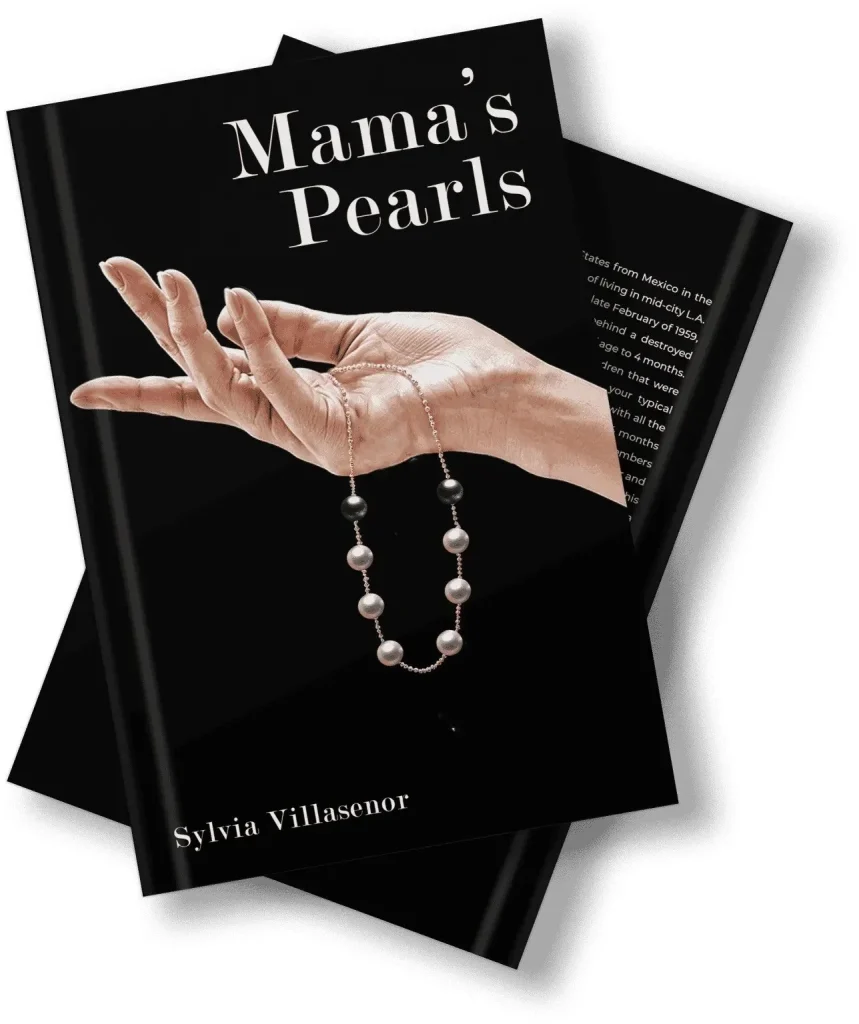
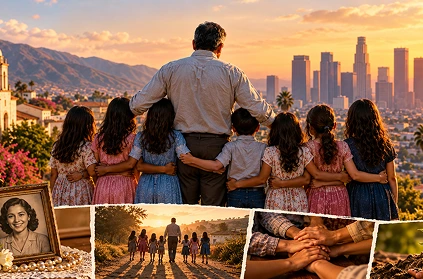
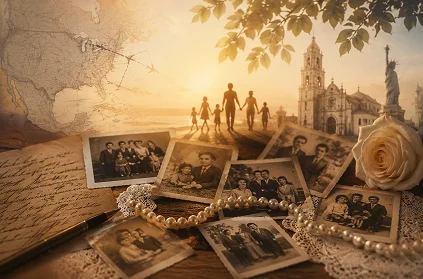
Many histories give names, dates, and places. Mama’s Pearls by Sylvia Villasenor gives those details a pulse. Sylvia writes as the youngest of seven children in an immigrant family shaped by Mexico, the United States, loss, work, and hope.
Her mother died when Sylvia was only four months old. That absence becomes one of the memoir’s deepest threads.
Sylvia knows her mother through stories shared by older relatives and through values that continued moving through the family long after her death.
That is what separates memorable histories from simple records. They show not only who belonged to a family, but how people carried one another when life became difficult.
Across Borders: True Family Stories Without a Filter
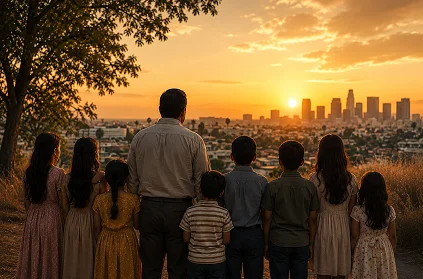
Sylvia’s father wanted better opportunities for his children, especially the chance for his daughters to become educated and self-sufficient. Yet the dream of a better life did not arrive neatly.
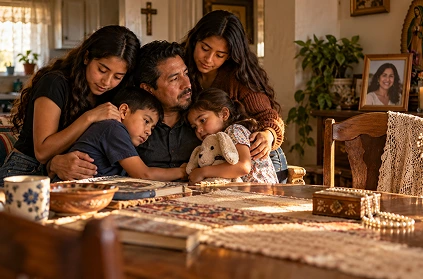
After their mother died, relatives helped care for the children. Their widowed father struggled to provide for seven.
Older siblings worked while studying. The family moved between cultures, responsibilities, and different ideas about what a successful future should look like.
These true family stories resist perfection. Love appears beside anger. Gratitude sits beside hurt. Strength does not erase loneliness. Opportunity does not cancel sacrifice.
That honesty gives the story weight.
Tiny Details, Lasting Legacy: A Family Memoir as Evidence
One revealing memory involves Sylvia’s mother making and selling tamales. After her death, Sylvia’s father found money she had saved in one of his hats for a hoped-for trip to Guadalajara.
It is a small memory, yet it says so much: work, resourcefulness, longing, cultural roots, motherhood, and the private dreams that can disappear when nobody writes them down.
This is why family history books matter. They preserve details that rarely enter public history:
- who stepped in when a parent was gone;
- how siblings became caregivers;
- what work taught children about independence;
- how traditions crossed borders and generations;
- which ordinary moments later became precious.
The details add context. Readers begin asking better questions about their own parents and grandparents: what they endured, what they wanted, and what they never had the chance to explain.
Beyond Nostalgia: Why Family Memoir Books Matter
Sylvia Villasenor did not write Mama’s Pearls simply to preserve the past. She explains that she wanted to leave her grandchildren and their children a written legacy that could tell them where they came from.
That purpose gives the book forward motion. The final chapters focus on sharing wisdom, listening, leading by example, and letting younger people make their own choices while still benefiting from experience.
In that sense, family memoir books can become bridges. They connect generations that may never meet, giving younger readers access to voices, mistakes, sacrifices, and values that might otherwise fade.
Why It Stays With the Reader
The strongest reason to consider Mama’s Pearls is not that every family will recognize the exact circumstances. Most will not. The connection comes from the questions underneath the story.
What did our parents give up for us? Which family stories have we heard only once? Whose strength shaped us quietly? What are we passing forward without realizing it?
Those questions give books about family lasting power. Sylvia’s story may also encourage readers to preserve their own histories before details disappear.
Near the end, she writes, “This is my legacy. These are my pearls.”
That line captures the purpose beautifully. Mama’s Pearls by Sylvia Villasenor does not present family history as something sealed in the past. It presents memory as an inheritance and asks what we will do with ours.